Braces Bundaberg
Orthodontic Braces in Bundaberg
Braces use small brackets bonded to the teeth and a thin wire to move teeth gradually into a new position. They can be used for many tooth and bite problems in teenagers and adults, and sometimes in younger children. We see patients from Bundaberg and surrounding suburbs, explain the options in plain English, and discuss timeframes and fees before treatment begins. Results vary from person to person. Any surgical or invasive procedure carries risks. Before proceeding, you should seek a second opinion from an appropriately qualified health practitioner.
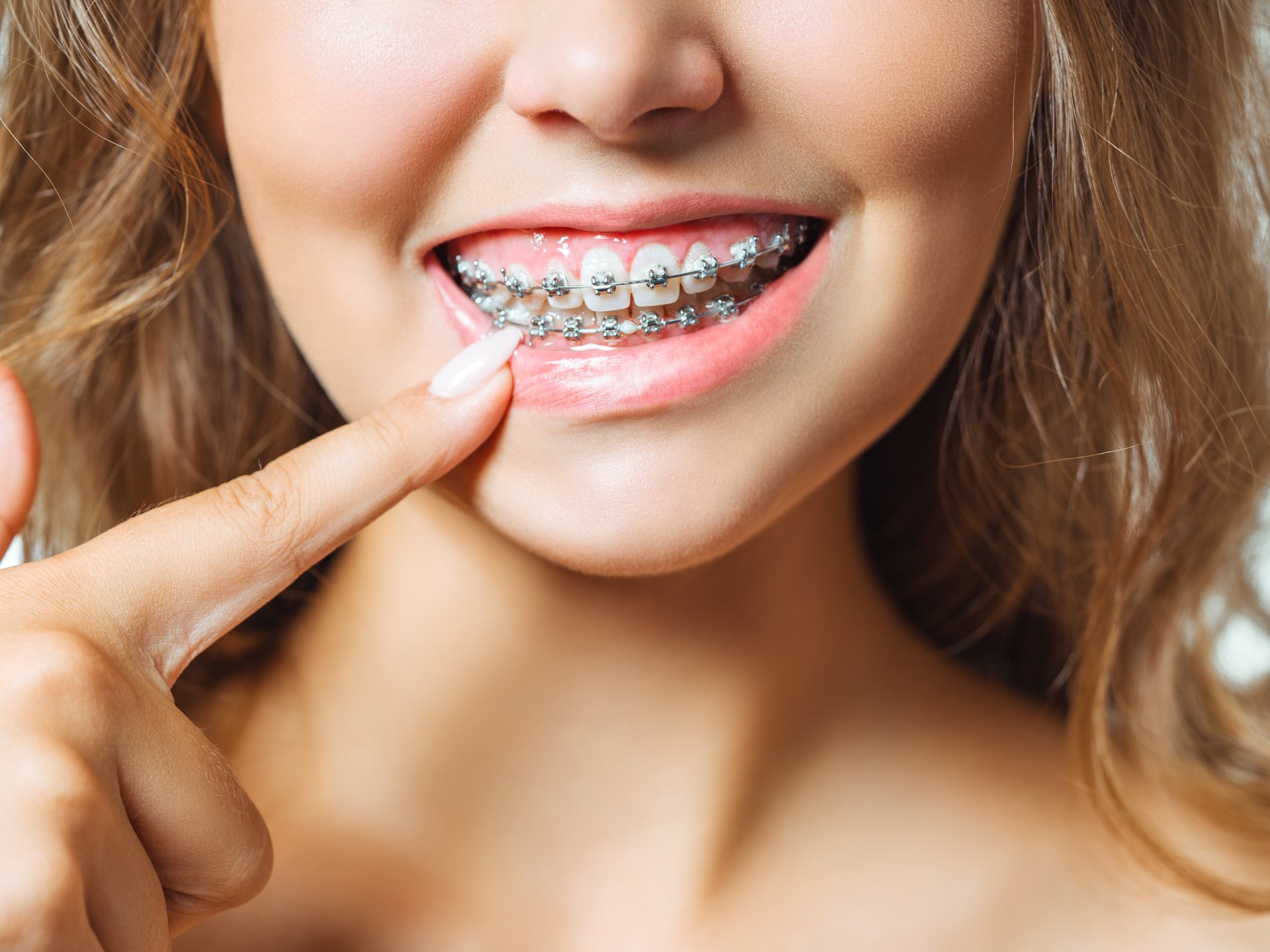
Braces Options We Can Discuss
- Metal braces
- Tooth-coloured ceramic braces
- Braces combined with other appliances where needed
- Advice on eating, cleaning and caring for braces
- Retainers to help hold teeth in place after treatment
How We Approach Treatment with Braces
We start with a consultation, records such as photos, X-rays and scans, and a discussion of what you would like to change. We then explain whether braces are suitable, the type of braces that may suit you, how often you will need adjustment visits, the expected timeframe and the fees. Treatment time and results vary, and we will not promise a particular finish date or outcome. Any surgical or invasive procedure carries risks. Before proceeding, you should seek a second opinion from an appropriately qualified health practitioner.
Problems Braces May Help With
- Crowded or crooked teeth
- Gaps between teeth
- Upper teeth that stick out
- Overbites, underbites, crossbites and open bites
- Teeth that have not come through in the right position
What to Expect with Braces in Bundaberg
Getting your braces fitted
Fitting braces usually takes one longer appointment. The teeth are cleaned and the brackets are bonded in place before the wire is attached. Afterwards we show you how to clean around the brackets and explain which foods to avoid.
Living with braces
Many people feel some tenderness for a few days after braces are fitted or adjusted, and the brackets may rub the inside of the cheeks at first. Orthodontic wax and soft foods can help while you get used to them. Brushing carefully and keeping up regular dental check-ups are important to reduce the risk of decay and gum problems during treatment.
Risks to be aware of
Like any treatment, braces carry some risks, including decalcification (white marks) if teeth are not kept clean, gum inflammation, root shortening and teeth moving back after treatment if retainers are not worn. We explain these before you decide. Any surgical or invasive procedure carries risks. Before proceeding, you should seek a second opinion from an appropriately qualified health practitioner.
Local context
Patients come to us from Bargara, Burnett Heads, Innes Park, Kepnock, Millbank, Walkervale, Norville and other Bundaberg suburbs. Regular adjustment visits close to home make treatment easier to fit around school and work.
Braces FAQs
How long will I need braces?
It varies. Many people wear braces for between one and three years, depending on their teeth and how closely instructions are followed. We will give you an estimate after your consultation.
Are ceramic braces an option?
Tooth-coloured ceramic braces are one option we can discuss. They are less noticeable than metal braces but are not suitable for every case.
Do braces hurt?
Many people feel some tenderness for a few days after fitting and adjustments. It usually settles, and we explain how to manage it.
How often are adjustment visits?
Usually every several weeks, although this depends on your treatment plan.
How are fees explained?
We provide the fees for your treatment plan in writing before treatment begins.
Is the information on this page dental advice?
No. Information on this site is general in nature and is not a substitute for advice from a registered dental practitioner about your own circumstances.
Thinking about braces in Bundaberg?
Tell us briefly who the consultation is for and we will get back to you to arrange a suitable time.